
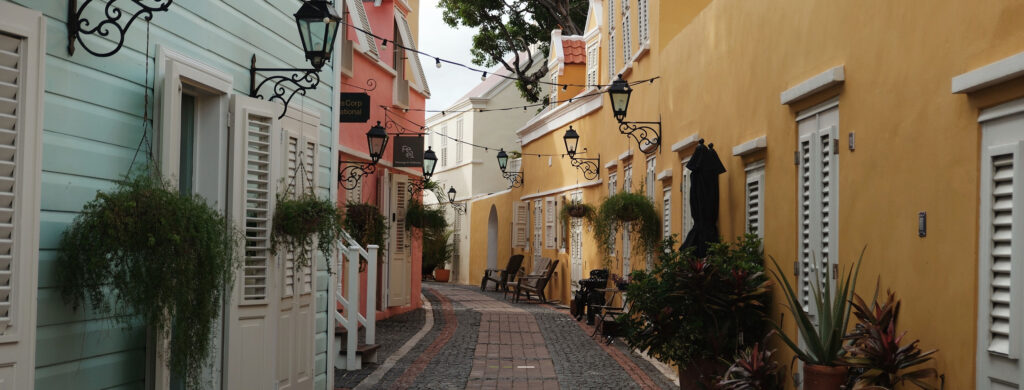
Otrobanda makes more sense at walking pace. The neighbourhood rises away from the harbour through streets where restored façades, weathered walls, murals and ordinary daily movement sit beside one another. Many visitors cross the Queen Emma Bridge, pause around Brion Square and leave before the district has properly unfolded. Staying here changes that relationship. You can return in different light, recognise a corner from the previous evening and experience the neighbourhood as part of the stay rather than one item on a Willemstad route.
Start at Brion Square and look in both directions
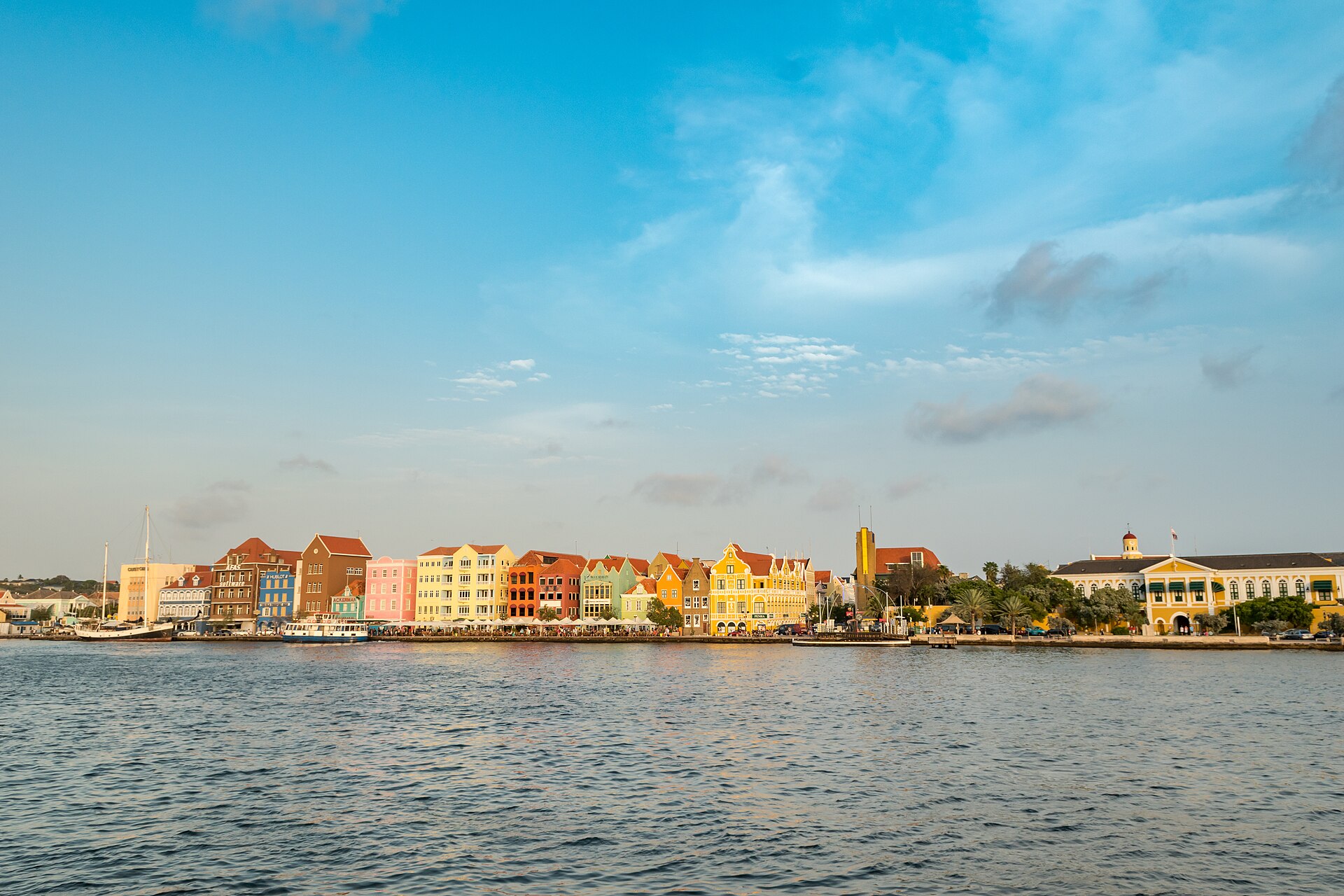
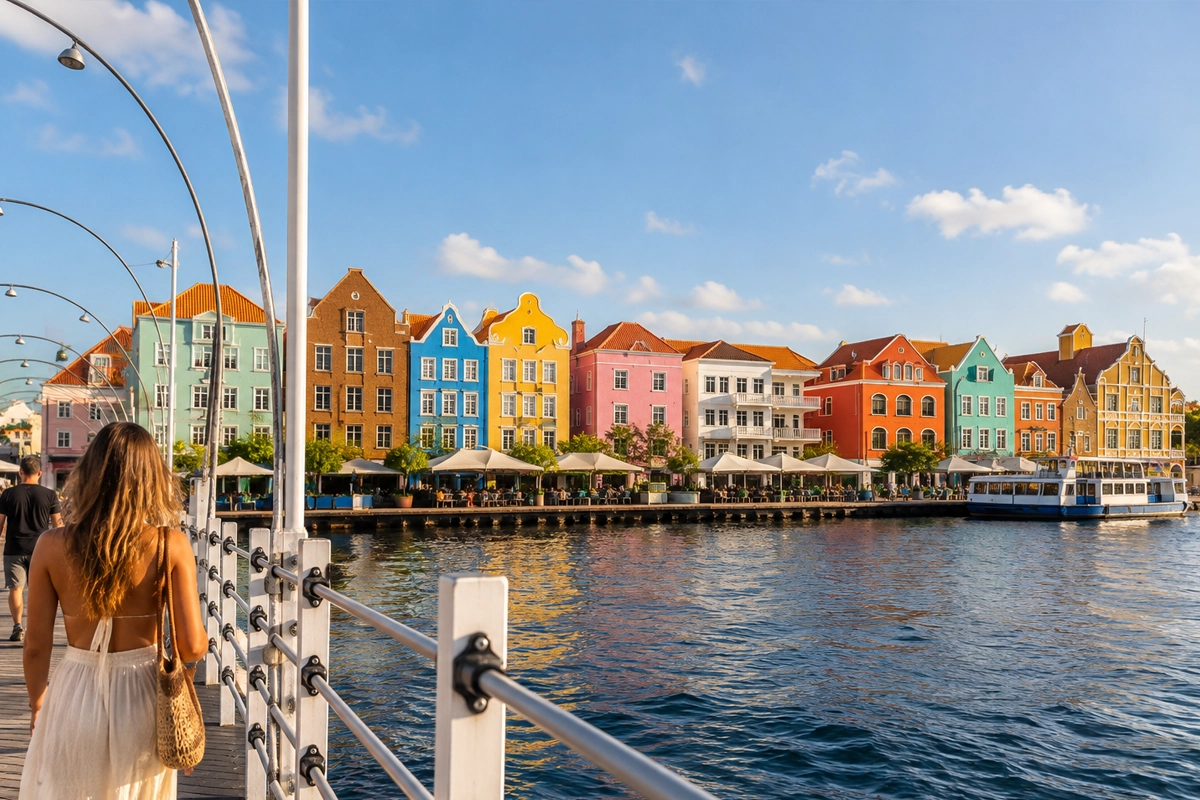
Brion Square opens towards the harbour and Queen Emma Bridge, giving you an immediate sense of the connection between Otrobanda and Punda. Before crossing, turn back towards the streets behind the waterfront. The change from open square to tighter blocks is part of the neighbourhood’s character. Walk without treating the bridge as the automatic destination. When it opens for shipping, follow current instructions and use the passenger ferry if it is operating; the interruption is part of how the harbour functions, not an inconvenience to rush through.
Read the walls without reducing them to backdrops
Murals and street art appear across Otrobanda, sometimes on prominent façades and sometimes along quieter routes. Look for scale, signatures and the relationship between artwork and building. Public art can change, which is one reason to explore with attention instead of following an old list mechanically. Keep entrances and pavements clear, ask before closely photographing residents and avoid presenting every worn surface as picturesque decay. The art belongs within a neighbourhood shaped by people, history and ongoing change. The experience becomes stronger when it is allowed to stand on its own, with attention for the neighbourhood, landscape or people around it instead of pressure to move immediately to another highlight.
Notice architecture at the scale of a doorway
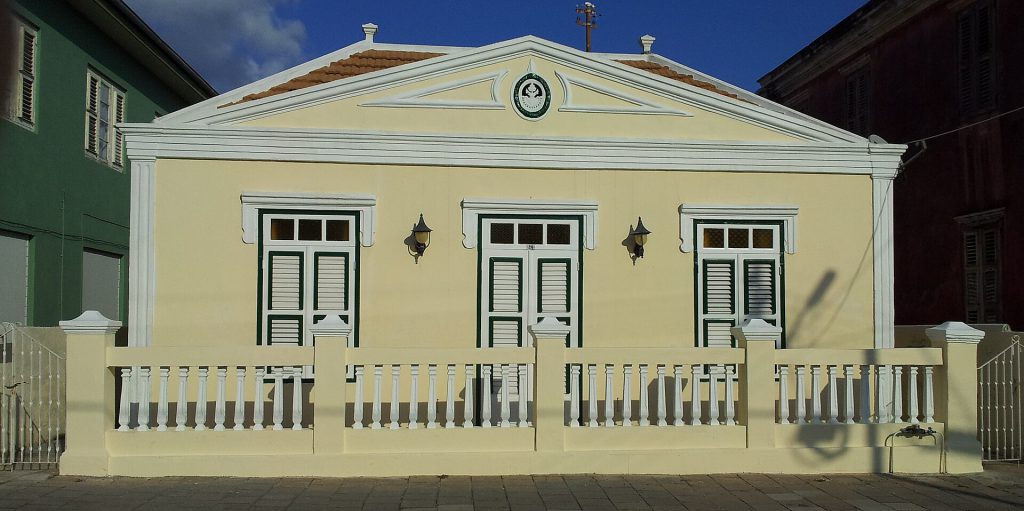
Colour attracts the first glance, but smaller architectural details often stay longer in memory: shutter proportions, ventilation openings, roof lines, steps and the depth of a shaded doorway. Move between wide street views and those close observations. The historic fabric is not uniform, and that variation helps explain why a slow walk feels richer than a direct route. Our guide to seven photogenic places in Curaçao includes the mosaic stairway, but Otrobanda offers far more than a single marked photo point.
Give Kurá Hulanda and local history real time
The Kurá Hulanda area and its museum context connect the neighbourhood to histories that require more than a decorative reading of Willemstad. Check current museum opening information before visiting and allow the subject matter its own part of the day. Nearby wellness spaces and small businesses show a different contemporary layer. Touch of Joy and Kas Shen Binti are optional experiences when their appointments or programmes fit, rather than stops to collect during the same walk. This approach also keeps the day balanced: one well-chosen place, a considered meal and time to look around often reveal more than a route filled with stops that barely have time to register.
Cross to Punda, then come back
The Queen Emma Bridge makes it easy to compare both sides of the harbour. Punda’s Handelskade, grid of shopping streets and public squares create a different visual rhythm. Cross for lunch or an evening event, then return to Otrobanda rather than treating the bridge as a one-way exit. For a budget-friendly version of the day, our guide to free things to do in Curaçao builds on this walk with other public places that require attention rather than tickets.
Stay in the neighbourhood instead of only visiting it
From Nubia Suites, Otrobanda can be experienced in fragments: an early walk, an afternoon return and a short evening route when the light changes. That repeated contact is more revealing than trying to “finish” the district in two hours. Carry water, use ordinary city awareness and let a café, mural or side street adjust the plan. The neighbourhood rewards familiarity, and familiarity begins by slowing down. Keep the surrounding hours flexible, because the most useful travel plan creates direction while still leaving enough space for weather, local advice and a change of energy on the day.