
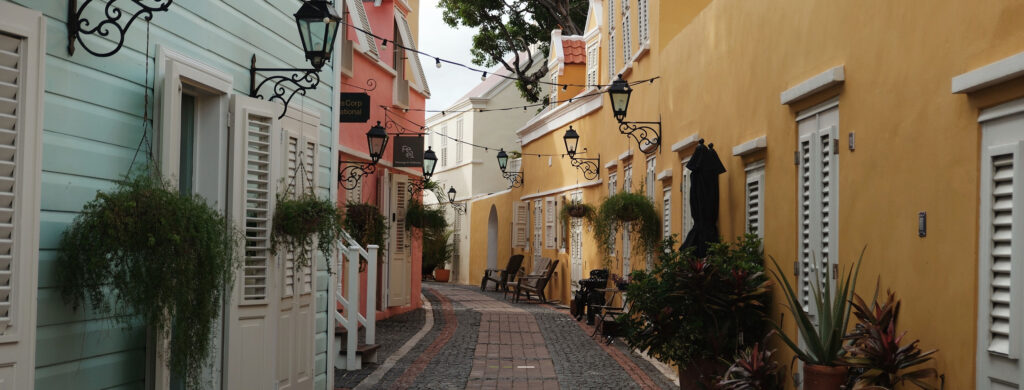
Curaçao’s beaches deserve their reputation, but they explain only part of the island. Art can take the form of a thorn-covered labyrinth; a city bridge moves for ships; a rusting tugboat supports life below the water; and the north coast turns wave energy into sound and spray. This guide brings those contrasts together without pretending they belong in one frantic day. Choose one urban idea and one landscape, then leave enough room for the island’s more familiar pleasures to remain unforced.
Enter the Cathedral of Thorns as an artwork
At Landhuis Bloemhof, the Cathedral of Thorns is a labyrinthine artwork by Curaçao-based artist Herman van Bergen. Its thorn structure, form and symbolism connect nature, spirituality and histories that are not visible in a quick exterior photograph. The official programme currently advertises an illuminated night experience on the first Friday of the month, while other guided access should be checked directly before visiting. Treat it as a work to move through and think about, rather than an eccentric background for a few images.
Let Willemstad remain strange in the best way
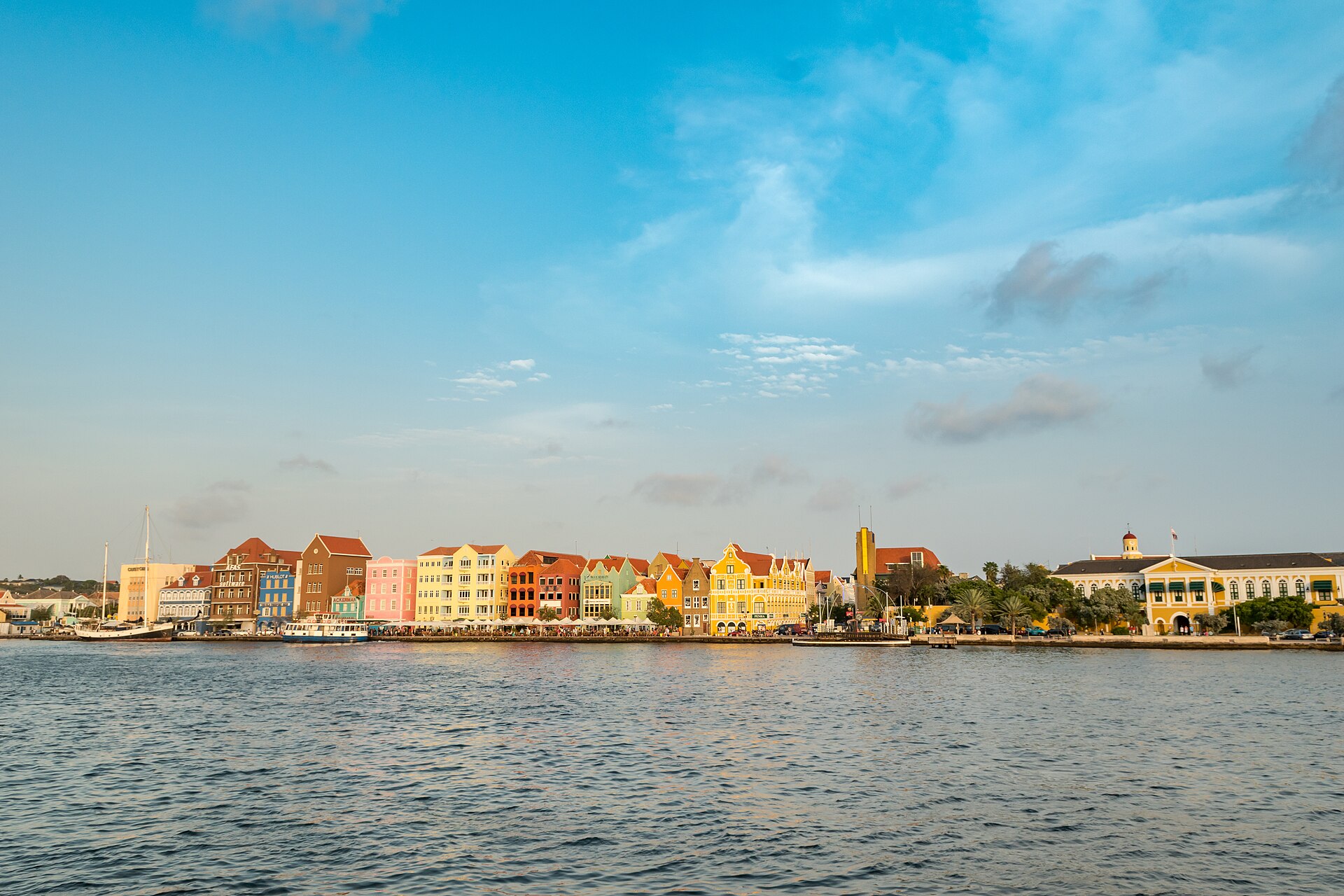
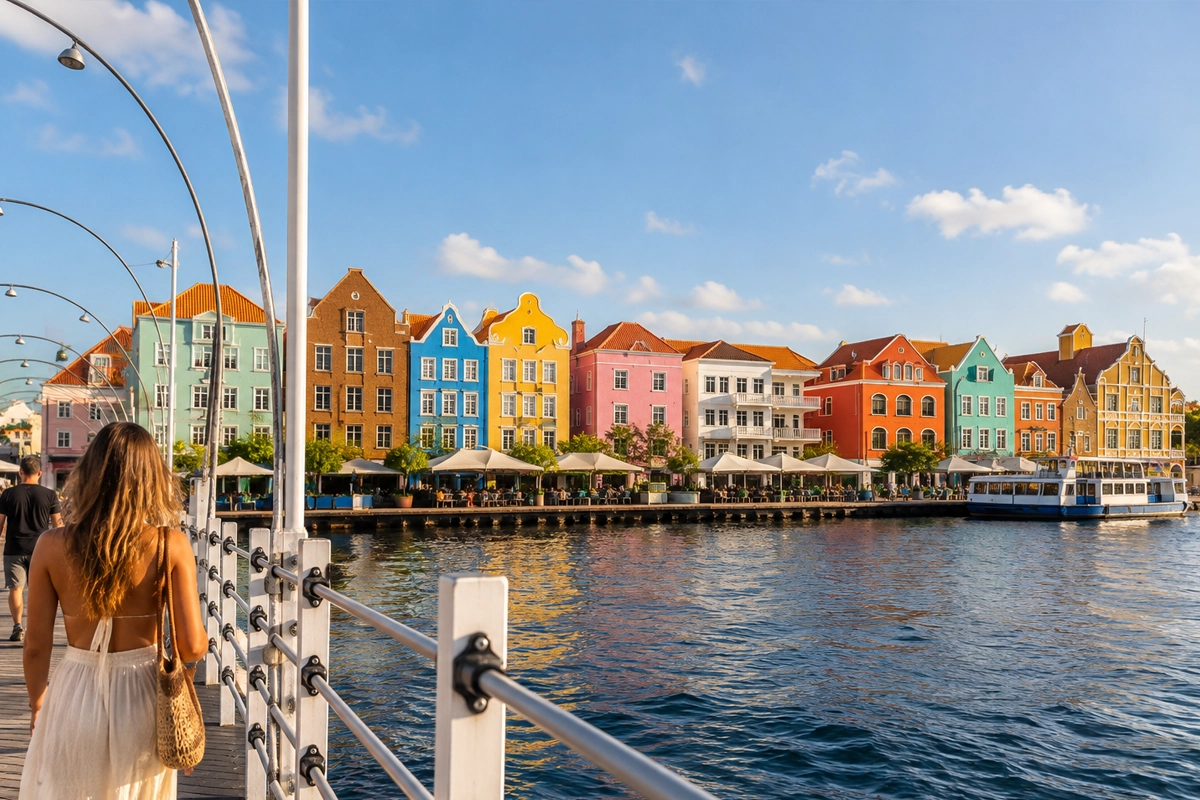
The Queen Emma Bridge floats across the harbour and opens for shipping, while Handelskade’s façades turn infrastructure into one of the island’s defining views. In Scharloo and Otrobanda, murals occupy walls at architectural scale. These places are widely photographed but still unusual when you pay attention to how they work. Walk Otrobanda on foot, cross to Punda and resist the urge to treat colour as the only story. Function, history and contemporary art are all present at once.
Find the island’s unfamiliar shapes underground
Hato Caves presents established guided access to limestone formations, bats and historical traces near Willemstad. Tomasito Cave is a much less formal natural site in the Westpunt area, with uncertain access and slippery terrain that demand more caution. Do not use social posts as route instructions. Read our dedicated Tomasito Cave guide, confirm local access and consider going with someone who knows the site. Discovery is worthwhile only when it respects land, safety and the limits of published information. Use the suggestion as a starting point, then let current conditions and your own pace decide how long to stay; an independent Curaçao trip should remain adaptable rather than tightly choreographed.
See how the coast changes character
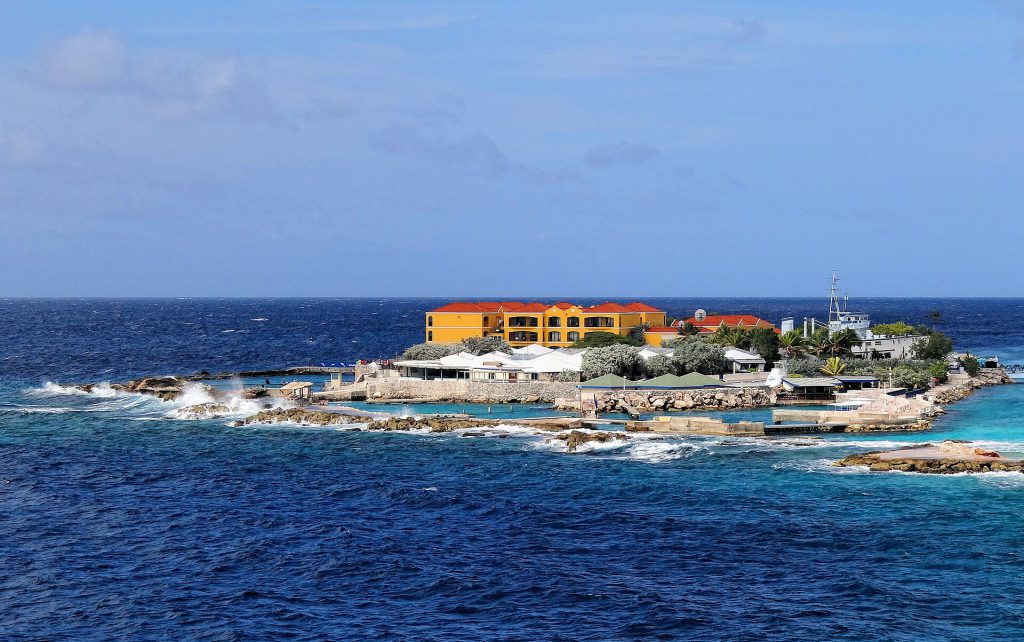
At Shete Boka National Park, water meets a rough northern coastline rather than a sheltered swimming bay. Boka Pistol shows that force in a narrow inlet. Tugboat Beach offers a different transformation: an old wreck has become a snorkelling landmark with fish and coral around it. Playa Porto Mari and Klein Curaçao return you to clearer beach imagery, but each has its own access, travel and environmental considerations. Separate these outings geographically instead of drawing an unrealistic line between them.
Use food and design as part of the wider story
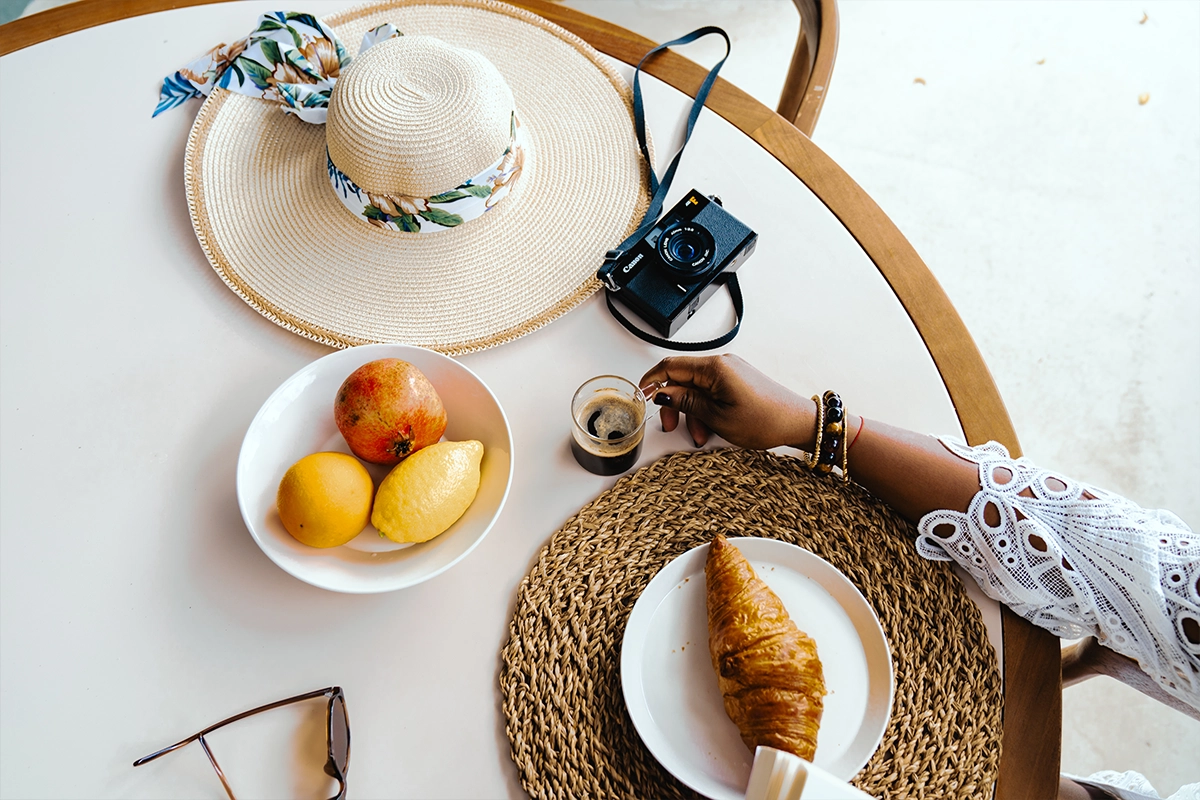
A breakfast or dinner can belong in this theme when the setting, architecture or approach gives it meaning, but restaurant status changes quickly and reservations may be necessary. Check current official information before naming a venue as essential. Nubia does not need to send guests from one fashionable address to another. The stronger approach is to notice how food, adaptive reuse, local art and public space shape the island alongside beaches. Our food and island-day guide offers a more practical route through those choices.
Come back with a more complicated picture
A good trip does not have to resolve Curaçao into one identity. Spend a day with art or exposed coastline, then return to the privacy of Nubia Suites and let the contrast settle. The island can be soft and forceful, historic and experimental, urban and remote within a relatively small area. That complexity is precisely why travelling slowly produces a better story than repeating a standard beach itinerary. Keep the surrounding hours flexible, because the most useful travel plan creates direction while still leaving enough space for weather, local advice and a change of energy on the day.